By: NewMediaWire
November 7, 2026
Researchers say inflammation as a treatment target still important despite neutral results of ZEUS trial
Research Highlights:
- Inflammation is a target for cardiovascular risk reduction. However, there are currently limited options to reduce inflammation among people with chronic kidney disease.
- The Ziltivekimab Cardiovascular Outcomes Study (ZEUS) was designed to test whether ziltivekimab, an interleukin-6 inhibitor, would reduce the risk of heart attack, stroke or cardiovascular death compared with a placebo among adults with cardiovascular disease (CVD), chronic kidney disease and high inflammation markers.
- Although markers of inflammation in the blood including C-reactive protein (CRP) and interleukin-6 were reduced in the ziltivekimab group, the risk of major cardiovascular events (MACE) or death were not significantly different compared to the placebo group.
- Participants in ZEUS were at exceptionally high risk and had advanced disease that may have been too far along to benefit from this treatment. Ongoing and planned anti-inflammatory trials will address downstream inhibition of interleukin-6 among individuals with earlier stage disease, as well as upstream targeting of the NLRP3 inflammasome.
- Results of the ZEUS trial, presented at the American Heart Association’s Scientific Sessions 2026, are simultaneously published in The New England Journal of Medicine.
Embargoed until 8:35 a.m. CT/9:35 a.m. ET, Sat., Nov. 7, 2026
This news release includes additional data and findings from the research author.
CHICAGO, ILLINOIS - November 7, 2026 (NEWMEDIAWIRE) - A novel medication called ziltivekimab that lowered markers of inflammation in the blood did not significantly reduce the combined risk of heart attack, stroke or cardiovascular death in very high risk adults with atherosclerotic cardiovascular disease (ASCVD) and chronic kidney disease, according to the phase III clinical trial called ZEUS. The detailed findings of ZEUS were shared in a late-breaking science session presented today at the American Heart Association’s Scientific Sessions 2026. The meeting, Nov. 6-9 in Chicago, is a premier global exchange of the latest scientific advancements, research and evidence-based clinical practice updates in cardiovascular science.
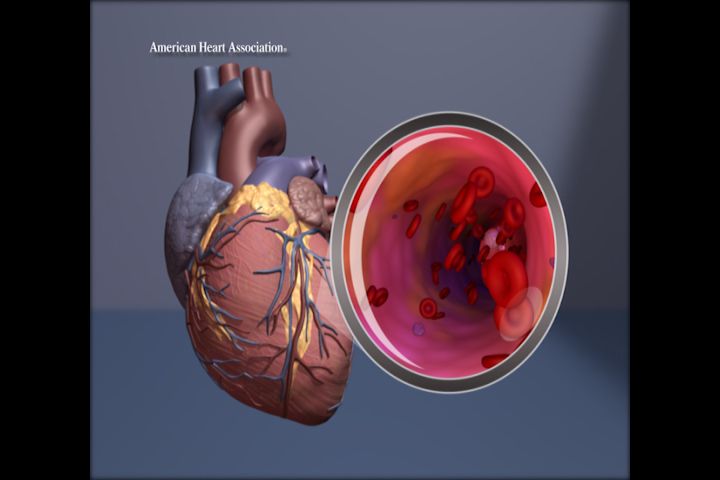
ZEUS, a multi-center, international, phase III, placebo-controlled clinical trial, included more than 6,300 very high risk adults with confirmed atherosclerotic cardiovascular disease (conditions caused by plaque buildup in arterial walls in the heart and vascular system), clinically significant chronic kidney disease and high inflammation markers, as measured by a high-sensitivity creatine protein (hs-CRP) blood test. Many participants also had Type 2 diabetes, hypertension and heart failure, a group with considerable unmet clinical care needs.
People with atherosclerotic cardiovascular disease (ASCVD) and chronic kidney disease (CKD) face a particularly high risk of serious cardiovascular complications, with limited medical options to reduce their risk of a heart attack and stroke. In this population, inflammation , as measured by hs-CRP, may be a particularly strong determinant of future risk. The hypothesis for ZEUS was based on extensive genetic evidence, population biology evidence, and experimental work in both mice and humans. Ziltivekimab is a monoclonal antibody that blocks interleukin-6, an important signaling protein involved in inflammation.
“While the lack of clinical benefit in ZEUS is disappointing, we already know from prior research that targeting inflammation can significantly reduce cardiovascular risk, so it’s important not to overinterpret these findings,” said lead study author Paul M. Ridker, M.D., M.P.H., FAHA, the Eugene Braunwald Professor of Medicine at Harvard Medical School and director of the Center for Cardiovascular Disease Prevention at Mass General Brigham. “Our job is to find the right anti-inflammatory treatment for the right patient group. Previous studies confirmed that targeting inflammation with medications like the interleukin-1 inhibitor canakinumab or with low dose colchicine can significantly lower the risk of heart attack and stroke. The fact that this IL-6 inhibitor did not reduce the risks of cardiovascular events simply means we have more work to do. Most important, we need to encourage patients and clinicians to measure inflammation – we can’t treat what we don’t know about – and to take other proactive steps to lower cardiovascular risk, including healthy lifestyle habits and managing blood pressure, cholesterol and blood sugar.”
Key findings of the ZEUS trial include:
- Cardiovascular outcomes: The ZEUS trial’s primary endpoint of heart attack, stroke or cardiovascular death occurred among 561 trial participants assigned to ziltivekimab and in 565 patients assigned to placebo. Overall, 538 participants died in the ziltivekimab group compared to 542 people in the placebo group.
- Inflammation: Compared to placebo, ziltivekimab lowered blood levels of hs-CRP by 64% and IL-6 by 76%. However, these changes did not translate into a significant reduction in the combined risk of heart attack, stroke or cardiovascular death.
- Participant risk/benefits: Participants with higher levels of hs-CRP or IL-6 at the beginning of the study still faced greater cardiovascular risk throughout the trial period, demonstrating again the importance of inflammation in this population, the researchers noted.
- Safety: Overall rates of side effects were similar between the ziltivekimab and placebo groups. However, serious infections were more common among participants in the ziltivekimab group (20% vs. 18%), which is expected when taking an anti-inflammatory medication.
- Unmet clinical need: The researchers noted that ZEUS participants proved to be at exceptionally high risk. More than 6% died during the trial, a rate double that of other contemporary studies of atherosclerosis patients without severe kidney disease.
“In retrospect, participants in ZEUS had quite severe disease, which may have been non-modifiable, so targeting inflammation in this group was likely, unfortunately, ‘too little, too late.’ These findings, while neutral, raise important questions about which approaches to reducing inflammation might be most effective and for which patients,” Ridker said. “Previous research using other anti-inflammatory treatments in earlier stages of atherosclerotic disease have shown that targeting inflammation reduces cardiovascular risk. The ZEUS findings may help researchers identify other ways to treat inflammation and determine which patients could realize reduced CVD risk with lower inflammation levels.”
Ridker also noted, “This trial demonstrates in real time just how research progress is made and how to move forward for better patient care. For our research team, opportunities for progress include downstream IL-6 inhibition among patients with less severe disease, as well as upstream inhibition of the NLRP3 inflammasome itself. It is a very exciting time for inflammation biology and heart disease.”
While researchers continue exploring new treatments, existing approaches to protecting heart health remain important. The American Heart Association’s 2026 guideline for cardiovascular-kidney-metabolic (CKM) syndrome, developed with other leading medical organizations, emphasizes the connections between heart disease, kidney disease, diabetes and obesity, and the importance of managing these conditions together. The Association’s Life’s Essential 8 outlines steps people can take to improve cardiovascular health, including eating a healthy diet, staying physically active, avoiding tobacco and managing blood pressure, cholesterol and blood sugar.
Study details, background, design:
- The ZEUS trial included 6,376 adults with atherosclerotic cardiovascular disease (caused by plaque buildup in the arteries), clinically substantial kidney disease and elevated cardiovascular inflammation, measured by a blood test called high-sensitivity C-reactive protein (hs-CRP). Participants had test results of at least 2 milligrams per liter..
- The study enrolled participants at 757 research sites in 38 countries between September 2021 and December 2024. Participants’ average age was 69.4 years; 27.5% were women, 4.2% of participants self-identified as Black or African American, and 24.3% were of Asian ethnicity.
- Among all participants, in addition to diagnosed ASCVD and CKD, 92% had high blood pressure, nearly 66% had Type 2 diabetes and 42% had heart failure. Most participants (92.6%) were already taking cholesterol-lowering medications.
- Participants were randomly assigned to receive either 15 milligrams of ziltivekimab or a matching placebo through a subcutaneous injection at the clinic once a month, in addition to usual medical care for their existing ASCVD and CKD conditions.
- This trial was a double-blind study, meaning neither participants nor researchers knew which treatment each person received during the study.
- Participants received treatment for a median of 29.1 months, approximately 2.4 years, and followed their assigned treatment schedule an average of 85.6% of the time. Researchers confirmed the survival status of 99% of participants.
Study limitations:
One potential limitation to generalizing the study’s findings is that participants had existing atherosclerotic cardiovascular disease and chronic kidney disease, placing them at particularly high risk for serious cardiovascular events. Ridker noted, “Together, these conditions can be challenging to treat, and in our study population, the extent of ASCVD and CKD may have been too advanced for the medication to meaningfully reduce risk.”
Co-authors and disclosures are listed in the manuscript. The ZEUS trial was funded by Novo Nordisk.
Statements and conclusions of studies that are presented at the American Heart Association’s scientific meetings are solely those of the study authors and do not necessarily reflect the Association’s policy or position. The Association makes no representation or guarantee as to their accuracy or reliability. Abstracts presented at the Association’s scientific meetings are not peer-reviewed, rather, they are curated by independent review panels and are considered based on the potential to add to the diversity of scientific issues and views discussed at the meeting. The findings are considered preliminary until published as a full manuscript in a peer-reviewed scientific journal.
The Association receives more than 85% of its revenue from sources other than corporations. These sources include contributions from individuals, foundations and estates, as well as investment earnings and revenue from the sale of our educational materials. Corporations (including pharmaceutical, device manufacturers and other companies) also make donations to the Association. The Association has strict policies to prevent any donations from influencing its science content and policy positions. Overall financial information is available here.
Additional Resources:
- Multimedia is available on the right column of the release link.
- View the abstract after the embargo lifts in the American Heart Association Scientific Sessions 2026 Online Program Planner
- American Heart Association news release: First-ever guideline on cardiovascular-kidney-metabolic syndrome issued (June 2026)
- American Heart Association news release: Rise in kidney disease underscores critical heart-kidney connection (May 2025)
- American Heart Association health information: Inflammation and Heart Disease
- American Heart Association health initiative: Life's Essential 8™
- About Scientific Sessions 2026
- For more news at the American Heart Association’s Scientific Sessions 2026, follow us on X @HeartNews, #ScientificSessions26
About the American Heart Association
The American Heart Association is a relentless force for a world of longer, healthier lives. Dedicated to ensuring equitable health in all communities, the organization has been a leading source of health information for more than one hundred years. Supported by more than 35 million volunteers globally, we fund groundbreaking research, advocate for the public’s health, and provide critical resources to save and improve lives affected by cardiovascular disease and stroke. By driving breakthroughs and implementing proven solutions in science, policy, and care, we work tirelessly to advance health and transform lives every day. Connect with us on heart.org, Facebook, X or by calling 1-800-AHA-USA1.
For Media Inquiries and American Heart Association Expert Perspective:
American Heart Association Communications & Media Relations in Dallas: 214-706-1173; [email protected]
Michelle Kirkwood: [email protected]
For Public Inquiries: 1-800-AHA-USA1 (242-8721)
heart.org and stroke.org

This contant was orignally distributed by NewMediaWire. Blockchain Registration, Verification & Enhancement provided by NewsRamp™. The source URL for this press release is Researchers say inflammation as a treatment target still important despite neutral results of ZEUS trial.