By: NewsUSA
August 31, 2026
After a Life-Changing Cancer Diagnosis, One Nurse Is Prioritizing Faith Over Fear
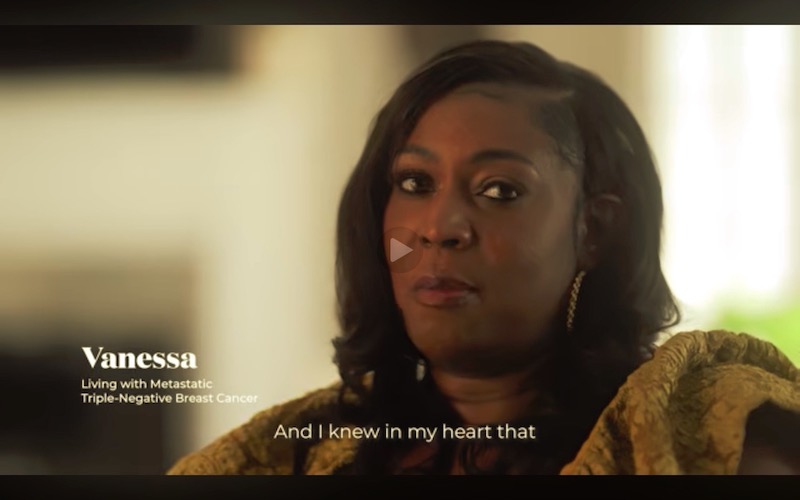
(Gilead and Kite Oncology) - Vanessa had a plan. As a travel nurse from Memphis, Tennessee, she was working across the country, building her career and saving up to buy a home. She had mapped out her next steps and was looking ahead to a future she worked hard to create.
Then, everything changed.
Vanessa was diagnosed with stage 3 triple-negative breast cancer, the most aggressive subtype of breast cancer. The diagnosis forced her to put her life on hold and shift her focus entirely to treatment.
Hearing the words “you have cancer” changed everything for Vanessa, but also her family.
Even as a nurse, Vanessa found herself navigating unfamiliar territory.
“I’ve taken care of patients my whole life,” she says. “But I didn’t really know what breast cancer truly entailed.”
Treatment began quickly. In the months that followed, Vanessa bravely navigated the uncertainty and emotional toll of breast cancer.
Then came the news that every cancer patient dreads: the cancer had spread, and Vanessa was now facing metastatic triple-negative breast cancer.
“When I found out I had metastatic breast cancer, it was just an awful feeling to know you have to go through treatment again,” she says.
Triple-negative breast cancer tends to grow and spread more quickly than many other breast cancer types. For about half of women with metastatic triple-negative breast cancer, their first treatment might be their only opportunity to keep the cancer from growing, making it critical to choose the best option on day one.
Triple-negative breast cancer also occurs more often in younger women, and it appears at higher rates in Black and Hispanic women than other breast cancer subtypes. For these communities, access to the latest education isn’t just helpful—it’s a matter of survival.
Like many people living with metastatic breast cancer, Vanessa wanted to clearly understand her treatment options and what questions she should be asking her doctor. She quickly learned that metastatic triple-negative breast cancer treatment options have historically been limited to chemotherapy-based therapy, which impacts cancer cells more than normal cells, so they then tend to take up more of the chemotherapy.
Her doctor suggested a clinical trial for a newer class of medicine called antibody-drug conjugates, more commonly known as ADCs. Unlike traditional chemotherapy, ADCs are designed to find specific markers and deliver medicines more directly to cancer cells.
Until recently, ADCs were used later in treatment, after other options had been tried. Now, patients may be able to receive an ADC as their first treatment after a metastatic triple-negative breast cancer diagnosis.
Innovations, like ADCs, have already made a difference for many people living with metastatic triple-negative breast cancer by helping to keep cancer from growing. For Vanessa, that means being able to better plan ahead, knowing her good days and her bad days —whether that’s the next girls’ trip or time with her family.
However, not all ADCs are the same. Safety and efficacy can vary for each ADC.
While not every patient will be eligible, understanding when they may be considered and how treatment can impact daily life can help patients feel more informed when discussing treatment options with their care team.

“When selecting treatment, it’s important to consider patients’ goals, wishes and needs so that we can try to realistically plan around those,” says Vanessa’s medical oncologist, Dr. Gregory Vidal, MD, PhD, Director of Clinical Research at West Cancer Center and Associate Professor at the University of Tennessee Health Science Center. “All patients are different and may qualify for different ADCs.”
Dr. Vidal encourages patients to feel empowered to have open conversations with their care team and ask questions, such as what treatment goals make the most sense at their stage of care.
Every person’s experience is different, but many people living with metastatic breast cancer remain on treatment for life, with the goal of helping manage disease and slow progression while maintaining quality of life.
While the physical and emotional impact of treatment could be difficult at times, Vanessa kept going. She leaned on her close friends and family to help her keep “faith over fear” by focusing on the positives and planning outings around her treatments.
Vanessa encourages others living with metastatic breast cancer to stay positive, ask questions and advocate for themselves during treatment conversations.
“You definitely have a fight in front of you, but you can get through this.” Vanessa says. “You have to do your research and get answers.”
To see how Vanessa and others living with metastatic breast cancer navigate ADC treatment for metastatic triple-negative breast cancer, visit Expose-MBC.com/ADC.
GILEAD is a trademark of Gilead Sciences, Inc.
KITE is a trademark of Kite Pharma, Inc.
All other marks are the property of their respective owners.

This contant was orignally distributed by NewsUSA. Blockchain Registration, Verification & Enhancement provided by NewsRamp™. The source URL for this press release is After a Life-Changing Cancer Diagnosis, One Nurse Is Prioritizing Faith Over Fear.