By: Press Services
February 16, 2026
Semi Truck Blind Spots Pose Serious Risks on Georgia Highways
When “I Didn’t See You” Leads to Catastrophic Injury
Marietta, United States - February 16, 2026 / The Graham Firm /
Semi truck blind spots are a daily reality on Georgia highways, but most drivers do not think about them until a tractor‑trailer starts drifting into their lane. In a new article, “Semi Truck Blind Spots: A Hidden Danger on Georgia Roads,” The Graham Firm, a top‑rated Georgia truck accident law firm known as “The Big Truck Lawyers,” explains how these invisible zones form around 18‑wheelers, why they are so much more dangerous than the blind spots in a passenger car, and what injured people can do after a no‑zone crash.
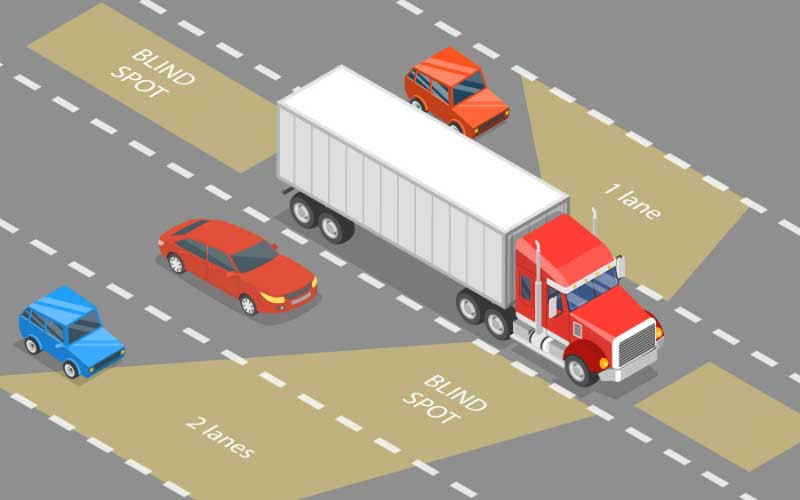
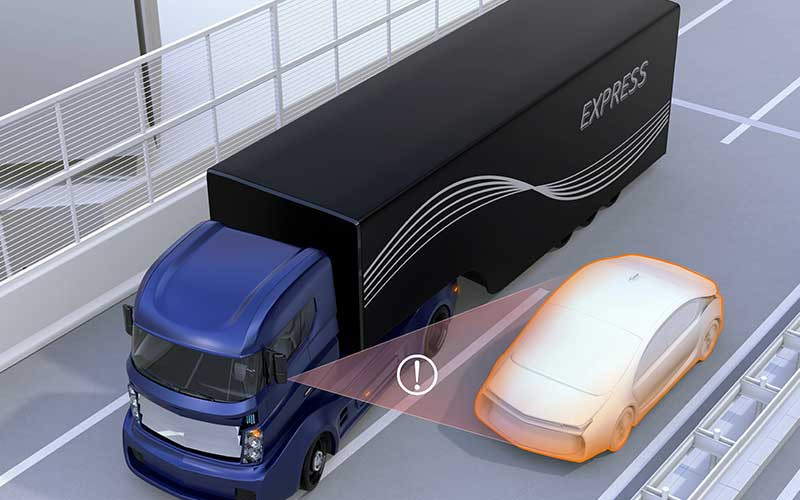
The article opens with a familiar scene: you are driving home when an 18‑wheeler suddenly moves toward your lane and the truck driver later says, “I never saw you.” Attorney Charles Graham, widely known as “Big Truck Chuck,” notes that this is often literally true. Around every commercial truck are large blind areas called “No‑Zones” by the Federal Motor Carrier Safety Administration, where a driver cannot see nearby vehicles, even when using mirrors correctly. These zones can stretch for several car lengths along each side of the trailer, extend roughly 20 feet in front of the cab, and reach almost 200 feet behind the truck.
What makes these blind spots so dangerous, the article explains, is not just their size but the physics involved. A typical passenger car weighs around 3,000 pounds. A fully loaded semi can weigh up to 80,000 pounds. When that much mass moves sideways into a space already occupied by a smaller vehicle, the smaller vehicle absorbs nearly all of the impact. On the right side, the no‑zone can cover two or three full lanes. From a driver’s seat sitting eight to ten feet above the roadway, a compact car close to the front bumper or tucked alongside the trailer can simply disappear.
Georgia’s traffic patterns make this problem even worse. The article points to specific corridors where blind spot crashes are especially common: I‑75 through metro Atlanta, I‑85 with its complex interchanges near the Perimeter, I‑20 through Augusta and Atlanta, and I‑285, often cited as one of the state’s most dangerous roads for truck‑related blind spot collisions because of congestion and frequent lane changes. In many cases, the crash starts with something that looks ordinary, such as a lane change, a merge from a short ramp, or a wide right turn through a busy intersection.
The content walks readers through the four main blind spot zones: directly in front of the truck; up to 200 feet behind the trailer; the especially hazardous right‑side zone, where right‑turn squeeze crashes and lane‑change impacts are common; and the left‑side blind area, which is smaller but still wide enough to hide a car riding along the rear half of the trailer. The Graham Firm notes that many of its cases began with a truck signaling and easing over, while the driver in the smaller vehicle tapped the horn and ran out of room.
From there, the article turns to responsibility and legal rights. Fault in blind spot crashes can involve multiple parties: the driver who failed to make a safe maneuver, the trucking company that pushed unrealistic schedules or allowed poor supervision, maintenance providers who neglected mirror systems, and cargo loading companies whose errors changed how the truck handled. Building these cases often requires driver logs, electronic data from the truck, inspection reports, and training histories.
The article also outlines how Georgia law applies. Under O.C.G.A. § 9‑3‑33, most personal injury claims must be filed within two years. Georgia’s modified comparative negligence rule bars recovery if an injured person is 50 percent or more at fault and reduces compensation if fault is lower but still present. Insurance carriers sometimes argue that the smaller vehicle should not have been in the no‑zone at all. As the article explains, that is why photographs, electronic data, and witness accounts are so important.
“Most people think of a blind spot as a tiny gap in their side mirror,” said Attorney Charles Graham. “By the time they learn what a semi truck no‑zone really looks like, they are already on a backboard. We wrote this article to give Georgia drivers a clearer picture and to help families understand that when safety rules are ignored, they have options.”
Graham adds that many clients arrive at his office feeling blamed for just being on the road. “We hear, ‘They told me I shouldn’t have been next to the truck.’ The truth is that everyone has a right to use Georgia’s highways. Trucking companies also have a duty to operate safely. Our goal with this content is to explain how those duties play out on real roads like I‑75 and I‑285.” By examining both the mechanics of truck no-zones and the legal principles that follow, the article offers readers a clearer understanding of a persistent safety issue on Georgia roads.
About The Graham Firm
The Graham Firm is a Georgia personal injury law firm known as “The Big Truck Lawyers” for its focus on serious commercial vehicle crashes, including semi truck and 18‑wheeler collisions, bus accidents, car wrecks, motorcycle and pedestrian accidents, wrongful death claims, and premises liability cases. Led by Attorney Charles Graham, “Big Truck Chuck,” the firm combines courtroom experience with detailed knowledge of federal and Georgia trucking regulations. From its Georgia offices, The Graham Firm represents clients injured on major corridors such as I‑75, I‑85, I‑20, and I‑285 and throughout communities across the state. More information about semi truck blind spots and accident compensation is available in the article “Semi Truck Blind Spots: A Hidden Danger on Georgia Roads” at https://grahamlawga.com/semi-truck-blind-spots-accident-compensation/.

Contact Information:
The Graham Firm
191 Roswell St NE #200
Marietta, GA 30060
United States
Charles Graham
https://grahamlawga.com/



This contant was orignally distributed by Press Services. Blockchain Registration, Verification & Enhancement provided by NewsRamp™. The source URL for this press release is Semi Truck Blind Spots Pose Serious Risks on Georgia Highways.