By: NewMediaWire
October 9, 2026
Elderly Adults With Masked High Blood Pressure had Higher Risk of Falls
Research Highlights:
- Masked hypertension, which is normal office blood pressure with high blood pressure when measured at home, was associated with a 70% higher risk of falls compared with sustained hypertension in adults older than age 78.
- In contrast, “white coat” hypertension (higher blood pressure readings at the doctor’s office or clinic with lower readings at home) was associated with a lower fall risk compared with higher blood pressure measurements in both settings.
- The findings provide a fresh perspective on how healthcare professionals can use both blood pressure measurements in the office and at home together, especially now that home blood pressure monitoring is becoming more easily accessible.
- Note: The study featured in this news release is a research abstract. Abstracts presented at the American Heart Association’s scientific meetings are not peer-reviewed, and the findings are considered preliminary until published as a full manuscript in a peer-reviewed scientific journal.
ARLINGTON, VA - October 9, 2026 (NEWMEDIAWIRE) - Masked high blood pressure in adults older than age 78 is associated with a 70% higher risk of falls compared to high blood pressure readings in the office and at home among peers, according to preliminary research presented at the American Heart Association’s Hypertension Scientific Sessions 2026. The meeting is in Arlington, Virginia, October 7-11, 2026, and is the premier scientific exchange focused on recent advances in basic and clinical research on high blood pressure and its relationship to cardiac and kidney disease, stroke, obesity and genetics.
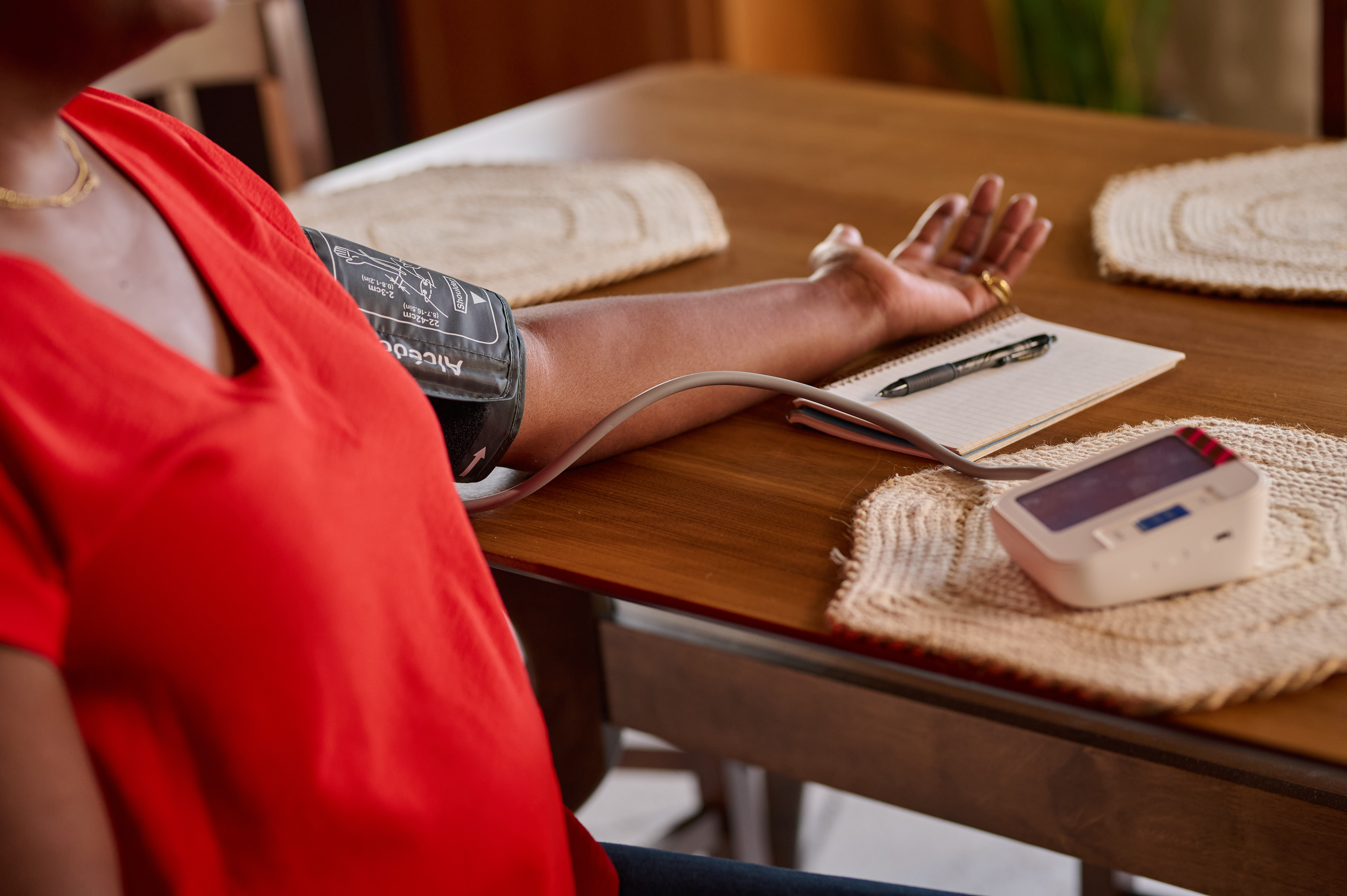
Falls are the leading cause of disability and functional decline in adults age 65 years and older, according to the U.S. Centers for Disease Control and Prevention. Even though low blood pressure is usually thought of as a risk factor for falls, there is emerging evidence that high home blood pressure is associated with higher incidence of fall risk in older adults. The study’s findings align with the American Heart Association’s 2025 Joint Guideline for the Prevention, Detection, Evaluation, and Management of High Blood Pressure in Adults. The guideline recommends annual blood pressure monitoring for all adults. Home blood pressure monitoring is recommended for patients to help confirm office diagnosis of high blood pressure and to monitor, track progress and tailor care as part of an integrated care plan.
“Preventing falls in elderly adults should be a top priority. These findings highlight that, in addition to office blood pressure measurement, home blood pressure readings can be an important way to identify hidden home high blood pressure and risk of falls in older adults,” said the study’s presenting author Frances Wang, Ph.D., M.S., a researcher at Beth Israel Deaconess Medical Center in Boston. “Home blood pressure measurement can add helpful health information for older adults and, as shown in findings from prior studies, for most of the general public. We hope that older adults, their family members and caregivers will feel empowered to measure blood pressure regularly at home and share this data with their health care team to help inform their blood pressure and overall healthcare plan.”
What are the study’s key findings?
- Among 758 adults older than age 78, 34.5% had sustained high blood pressure (higher blood pressure readings in medical and home settings); 17.0% had white coat high blood pressure; 15.4% had masked high blood pressure; and 33.2% had normal blood pressure readings.
- During a median follow-up of nearly one year (350 days), almost 1 in 4 participants (23.4%) self-reported during follow-up that they had fallen at least once during the previous 12 months.
- When office and home blood pressure differences were analyzed continuously, lower office blood pressure relative to home blood pressure was associated with a higher incidence of falls.
“Our analysis indicates that home blood pressure monitoring provides valuable information for clinical assessment, can help guide treatment decisions and may identify patients with hidden fall risk,” said Dr. Wang. “This information can be particularly important to incorporate into patient care since falls are a major cause of disability and loss of independence among older adults.”
“These findings confirm that ‘normal’ office blood pressure isn’t always the end of the story,” said Karol E. Watson, M.D., Ph.D., FAHA, a volunteer expert for the American Heart Association. “In this study, when blood pressure was normal in the office but high at home, older adults had a 70% higher rate of falls than those whose blood pressure was high both in the office and at home. This deserves a closer look because falls can often accelerate decline in both physical and mental function for patients when physical independence is lost. This study doesn't explain why the fall risk was higher, but it may be telling us something about blood pressure variability and how well older adults are able to regulate their blood pressure (or not) throughout the day. Reducing the risk of falls should be a routine consideration, particularly in older adults with high blood pressure.” Watson, who was not involved in this study, is the John Mazziotta, M.D., Ph.D., Chair of Medicine at the David Geffen School of Medicine at UCLA in Los Angeles.
What are the details, background and design of the study?
- The study included 758 adults who were part of the community-based Atherosclerosis Risk in Communities (ARIC) study. ARIC began enrolling participants in 1985, and participants lived in four different communities in the U.S.: Forsyth County, North Carolina; Jackson, Mississippi; eight northern suburbs of Minneapolis, Minnesota; and Washington County, Maryland.
- Participants were 78-98 years old, representing a rapidly growing population in the U.S. that is under-studied. The median age was 83 years, and 59% were women. 17% of participants self-identified as Black adults.
- Of the participants, 82% were already taking medication to lower their blood pressure.
- Multiple blood pressure readings were taken for all participants: in a doctor’s office (three readings obtained one minute apart after a five-minute seated rest) and with a take-home blood pressure monitor, blood pressure readings were taken in the morning and evening over 8 non-consecutive days at home in 2023.
- Participants self-reported the number of falls experienced in the previous 12 months, during annual phone calls with their healthcare team.
Note: This abstract will be presented in an oral presentation at 11:45 a.m. ET, Friday, October 9, 2026.
Co-authors, their disclosures are listed in the abstract. This study was funded by the American Heart Association and the National Institutes of Health.
Statements and conclusions of studies that are presented at the American Heart Association’s scientific meetings are solely those of the study authors and do not necessarily reflect the Association’s policy or position. The Association makes no representation or guarantee as to their accuracy or reliability. Abstracts presented at the Association’s scientific meetings are not peer-reviewed, rather, they are curated by independent review panels and are considered based on the potential to add to the diversity of scientific issues and views discussed at the meeting. The findings are considered preliminary until published as a full manuscript in a peer-reviewed scientific journal.
The Association receives more than 85% of its revenue from sources other than corporations. These sources include contributions from individuals, foundations and estates, as well as investment earnings and revenue from the sale of our educational materials. Corporations (including pharmaceutical, device manufacturers and other companies) also make donations to the Association. The Association has strict policies to prevent any donations from influencing its science content. Overall financial information is available here.
Additional Resources:
- Multimedia is on right column of release link.
- The abstracts will be published at 10 am ET, Nov. 17, 2026, in the Hypertension Scientific Sessions 2026 Supplement of the Hypertension journal.
- American Heart Association news release: Study finds heart health declining in older adults with certain cardiovascular diseases (August 2025)
- American Heart Association news release: Low physical function after age 65 associated with future cardiovascular disease (August 2022)
- American Heart Association health information: Health Threats from High Blood Pressure
- American Heart Association health information: Understanding Blood Pressure Readings
- American Heart Association health information: Find High Blood Pressure Tools and Resources
- Follow American Heart Association news from the meeting on X @HeartNews #Hypertension26.
The American Heart Association’s Hypertension Scientific Sessions 2026 is a premier scientific conference dedicated to recent advancements in both basic and clinical research related to high blood pressure and its connections to cardiac and kidney diseases, stroke, obesity and genetics. The primary aim of the meeting is to bring together interdisciplinary researchers from around the globe and facilitate engagement with leading experts in the field of hypertension. Attendees will have the opportunity to discover the latest research findings and build lasting relationships with researchers and clinicians across various disciplines and career stages. Follow the conference on X using the hashtag #Hypertension26.
About the American Heart Association
The American Heart Association is a relentless force for a world of longer, healthier lives. Dedicated to ensuring equitable health in all communities, the organization has been a leading source of health information for more than one hundred years. Supported by more than 35 million volunteers globally, we fund groundbreaking research, advocate for the public’s health, and provide critical resources to save and improve lives affected by cardiovascular disease and stroke. By driving breakthroughs and implementing proven solutions in science, policy, and care, we work tirelessly to advance health and transform lives every day. Connect with us on heart.org, Facebook, X or by calling 1-800-AHA-USA1.
For Media Inquiries and American Heart Association Expert Perspective:
American Heart Association Communications & Media Relations in Dallas: 214-706-1173; [email protected]
Michelle Kirkwood: [email protected]
For Public Inquiries: 1-800-AHA-USA1 (242-8721)
heart.org and stroke.org
View the original release on www.newmediawire.com

This contant was orignally distributed by NewMediaWire. Blockchain Registration, Verification & Enhancement provided by NewsRamp™. The source URL for this press release is Elderly Adults With Masked High Blood Pressure had Higher Risk of Falls.